Pamphlets on the Controversy Between Emperors and Popes in the 11th and 12th Centuries, Volume I
Libelli de Lite Imperatorvm et Pontificvm Saecvlis XI. et XII. Conscripti, Tomus I
The Libelli de Lite Imperatorvm et Pontificvm (Tomus I) is the first volume of the Monumenta Germaniae Historica's critical edition of polemical tracts written during the investiture controversy of the eleventh and twelfth centuries. Edited by E. Dümmler, F. Thaner, L. de Heinemann, and K. Francke, and first published in Hannover in 1891, it collects nine works directed at the conflict between imperial and papal authority: Wido of Ferrara's letter on simony, the anonymous De ordinando pontifice, Peter Damian's Liber gratissimus and Disceptatio synodalis, Cardinal Humbert of Silva Candida's Libri III adversus simoniacos (pp. 95–253), the Pseudo-Udalric letter on clerical celibacy, Gebhard of Salzburg's letter to Bishop Hermann of Metz, the letter of Wenric of Trier, and Manegold of Lautenbach's Ad Gebehardum liber. The volume also includes an index of sources and authorities cited throughout.
Authors

Guido of Arezzo
Guido Aretinus

Peter Damian
Petrus Damiani

Humbert of Silva Candida
Humbertus Silvae Candidae Episcopus
Readings
The Most Welcome Book
Liber Gratissimus
Peter Damian's Liber Gratissimus (1052) is a sustained canonical and theological argument on one of the most contested questions of the Gregorian Reform: whether clerics ordained by simoniacal bishops received valid orders. Written in response to the reforming synods of Clement II and addressed to the archbishop of Ravenna, the work argues that ordinations performed by simoniacs — though gravely sinful — are nonetheless valid and need not be repeated, since sacramental efficacy derives from God and not from the moral state of the minister. This position set Damian in direct conflict with Cardinal Humbert of Silva Candida, who argued for the invalidity and heretical character of simoniacal ordination. Damian's more moderate position eventually prevailed in practice, and was confirmed by the synodal decisions of Pope Nicholas II. Edited by L. de Heinemann for the MGH Libelli de Lite, vol. I (1891).
Peter Damian·1052·Latin·Petri Damiani Liber Gratissimus·p. 15–75Letter to Archbishop Heribert on Simony
Epistola ad Heribertum Archiepiscopum
Wido of Pomposa's letter to Archbishop Heribert of Milan is one of the earliest systematic polemical treatments of simony from the reform period. Written in the early eleventh century, the letter argues that simony is not merely an irregular transaction but a fundamental violation of the nature of holy orders: spiritual gifts cannot be bought or sold, and those who receive ordination through payment receive nothing valid, since the grace of ordination is not transmissible by money. Drawing on Gregory the Great and the Acts of the Apostles account of Simon Magus, Wido situates simony as a heresy that corrupts the entire sacramental order of the church and demands active resistance from the faithful. The letter was preserved and edited by Friedrich Thaner for the MGH Libelli de Lite, vol. I (1891).
Guido of Arezzo·1015·Latin·Widonis Monachi Epistola ad Heribertum Archiepiscopum·p. 5–7Three Books Against the Simoniacs
Libri III Adversus Simoniacos
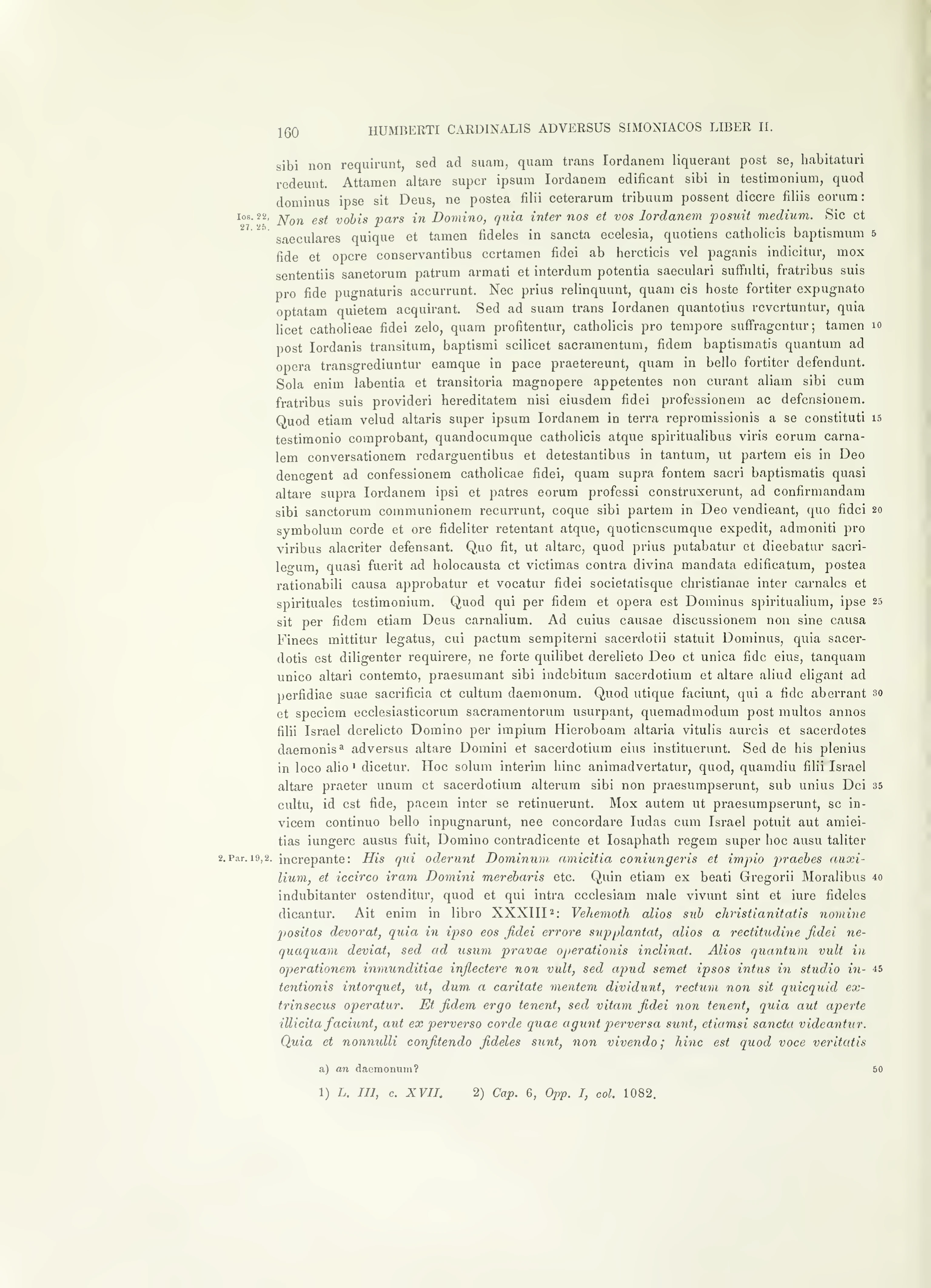
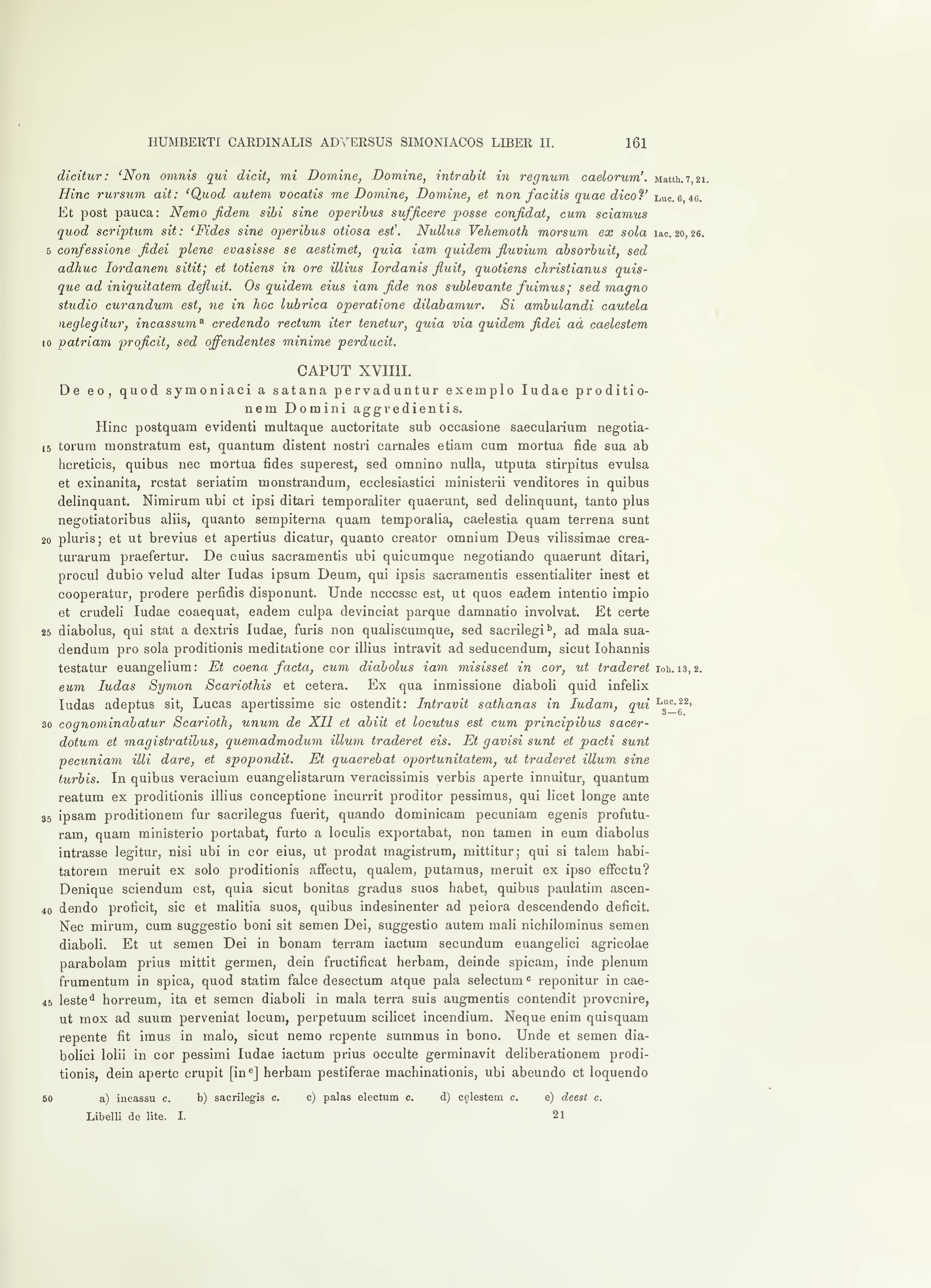
Cardinal Humbert of Silva Candida's Libri tres adversus simoniacos (ca. 1058) is the most radical and systematic of the eleventh-century treatises against simony. In three books, Humbert argues that simony is not merely a canonical irregularity but a formal heresy: simoniacal ordinations are utterly invalid, and those ordained by simoniacs must be reordained rather than simply reconciled. The first book surveys the canonical and patristic evidence against simony; the second argues that simoniacal bishops are not true bishops at all but heretics masquerading in ecclesiastical office; the third extends this logic to lay investiture, arguing that the entire system of royal appointment to episcopal and abbatial offices is itself simoniacal. This last argument made the Libri tres a foundational text of the Gregorian Reform's most aggressive wing and contributed to the theoretical framework of the Investiture Controversy. Edited by Friedrich Thaner for the MGH Libelli de Lite, vol. I (1891).
Humbert of Silva Candida·1058·Latin·Humberti Cardinalis Libri III Adversus Simoniacos·p. 95–253