
Conscience with the Power and Cases Thereof
Conscience with the Power and Cases Thereof, Divided into Five Books
An English translation of William Ames's De Conscientia et ejus Jure vel Casibus (1631), printed at London in 1639. The work is a systematic treatment of casuistry — the application of moral and theological principles to practical cases of conscience — divided into five books. Book One addresses the general nature, power, and cases of conscience; subsequent books treat specific areas including the state of man before God and his duties toward God and neighbor. Ames drew on Reformed theology and Ramist method to produce one of the most influential Protestant works on practical divinity in the seventeenth century, widely read in Puritan England and New England.
Author
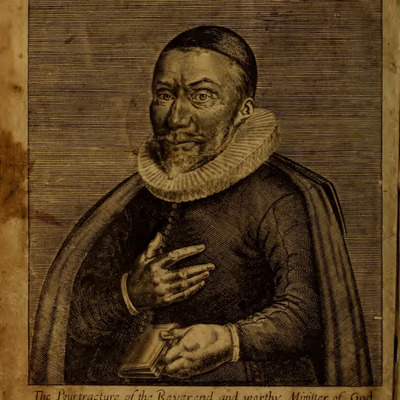
William Ames
Gulielmus Amesius
Readings
Of calling to the Ministry
Book IV, Chapter 25 of Ames's Conscience with the Power and Cases Thereof addresses the call to the ministry. Ames argues that a singular calling is required for the ministerial office, distinguishing it from the general duty of all Christians to teach. He examines what integrity of life, knowledge, and divine assurance are required of candidates, how a vocation is confirmed by the judgment of the Church, and on what grounds a minister may lawfully leave one congregation for another.
William Ames·1631·Early Modern English·Book IV, Chapter XXV·p. 64–71Of Contracts
Book V, Chapter 42 of Ames's Conscience with the Power and Cases Thereof treats the law of contracts. Ames defines the conditions required for a lawful contract — fit persons, free and promissive consent, and outward expression — and examines the matter, form, and end of contracts. The chapter addresses simony as the paradigmatic case of an unlawful contract, covering its extension to sacraments and ecclesiastical benefices, the three modes of simoniacal gift (hand, tongue, and observance), and the analogous corruption involved in the sale of public offices of jurisdiction.
William Ames·1631·Early Modern English·Book V, Chapter XLII·p. 229–237