Institutes of Elenctic Theology, Part Three
Institutio Theologiae Elencticae, Pars Tertia
François Turretin's Institutio Theologiae Elencticae is the definitive systematic theology of seventeenth-century Reformed scholasticism. Organized as a series of disputed questions (loci), the work surveys the doctrinal controversies of the age against Roman Catholic, Remonstrant, Socinian, and Lutheran opponents, marshaling patristic and scriptural evidence in defense of Reformed orthodoxy. This third and final part (originally completed in 1685) covers loci 18–20, treating the Church, the Sacraments, and the Last Things; this Leiden/Utrecht edition of 1696 also contains Benedict Pictet's oration on Turretin's life and death.
Author
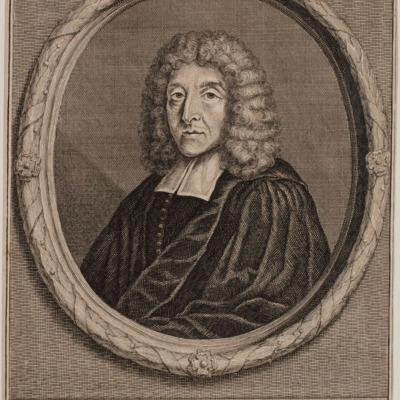
Francis Turretin
Franciscus Turrettinus
Readings
Where Our Church Was Before Luther and Zwingli
Ubinam Ecclesia Nostra Fuerit Ante Lutherum et Zuinglium
Section X of Quaestio X in Turretin's treatment of the Church provides the positive response to the Roman Catholic challenge demanding to know where the Reformed church was before Luther and Zwingli. Turretin argues that the question must be understood under four aspects—doctrine, persons, location, and form of governance—and that under the first and most important aspect (doctrine), the substance of saving faith has been preserved in every age through Scripture, the Apostles' Creed, baptism, and the Lord's Supper, even when the church lay hidden and was mixed with the corruptions of Rome, as God has always providentially conserved his elect until the Reformation.
Francis Turretin·1685·Latin·Locus XVIII, Quaestio X, §X·p. 66–67On the Stipends of Ministers and Ecclesiastical Goods
De Stipendiis Ministrorum, & Bonis Ecclesiasticis
Quaestio XXVIII of Turretin's treatment of the Church asks whether ministers of the church are owed some stipend, and answers affirmatively against the Anabaptists. Turretin marshals scriptural arguments from both Testaments to show that those who labor in the Gospel have a right to be supported by it, then surveys the legitimate sources of ministerial income—the labor of preaching, congregational provision, and endowments—while warning against the excesses of greed and luxury. He also traces the historical origin of ecclesiastical benefices and properties, acknowledging how an originally legitimate institution was corrupted by papal patronage and monastic accumulation.
Francis Turretin·1685·Latin·Locus XVIII, Quaestio XXVIII·p. 300–306