Lectures on Genesis: Genesis 23:3–4
In Primum Librum Mose Enarrationes: Gen. 23, 3–4
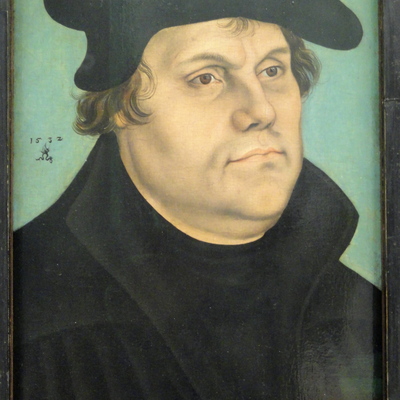 Martin Luther
Gen. 23, 3. 4. Surgens itaque Abraham a conspectu funeris sui.
Lugendi sunt defuncti, sed ita ut sit modus in rebus. 'Super mortuum plora', inquit Syrach 22. 'Sed modicum plora', hoc est, moderare dolorem tuum: 'quoniam requievit.' Si amittis fratrem, patrem, uxorem,
propinquum, est quod doleas, nec sis stipes et caudex, qui rideas in funere carissimorum: Non enim tempus ridendi est, et Deo displicet ferreus ille et saxeus animus. Sed tamen moderandus est luctus, ne nimio dolore conficiaris.
Dolet quidem avulsio illa a suavissimis parentibus, coniuge aut liberis, quia lux eorum deficit iam, inquit Syrach, hoc est, non fruuntur amplius hac luce et consuetudine nostra. Sed contra luctum opponendum est id, quod sequitur: 'Transivit in requiem suam.' Causa luctus est lucis extinctio, causa solatii requies. Requiescat ergo in pace, cogitabis, scio enim, quod bene habet, non est in tristitia aut calamitate, sed in quiete: ibi dormit et expectat meliorem vitam, sicut nos, qui adhuc vivimus. Consolatio igitur nostra est, quod coniunx, filius, parentes dormiunt, non haerent in poenis et cruciatibus, sed in pace suaviter acquiescunt.
Quando vero horribiles illi et tragici casus accidunt, et quando David amittit filium Absolon, morientem in peccato mortali et damnatum, is omnium acerbissimus luctus et dolor est, et tamen quid agas aliud, quam ut Deo rem permittas? sed ubi pacificus et placidus transitus est, ibi morientes in pace dormiunt. Atque hoc vult Moses, quando dicit: 'Abraham surrexit': sensit dolorem et tristitiam ex obitu carissimae coniugis, sed vicit naturalem illum adfectum, et porro de sepultura cogitat.
Mirum vero et hoc est, quod superstite Sara, se et filio non unquam de possessione et proprio acquirendo fuit solicitus, nisi iam defuncta Sara. Supervacanea cura videtur esse de loco, ubi dormias, cum eum possidere non possis, et tamen Moses singulari studio et praeter solitum copiosius hoc commemorat: Abraham emisse locum non pro viva, sed pro mortua.
Hactenus fuit peregrinus, nec potuit hanc conditionem vitae satis duram mutare. Postquam uxor mortua est, cogitat de loco proprio sepulturae. Antea quidem, dum in Canaan fuit annis plus minus 70, plures haud dubie mortui fuere ex familia, servi aut servae: sed de nullo alio tam fuit solicitus, quam de Sara: alios in Gerar, alios in aegipto sepelivit. Hic possessionem certam et propriam sepulturae quaerit.
Vocabulum Ger Hebraeis peregrinum significat. Psalmo 39.: 'Peregrinus sum ego apud te et inquilinus, sicut omnes patres mei.' Sic Paulus ad Ephesios 2. loquitur: 'Iam non estis hospites et advenae.' Significat externum et ex alieno loco advenientem. Sic Abraham erat advena, quia non in Chanaan natus, sed ex chaldaea oriundus erat.
(Toschaf) inquilinus est, qui non est Dominus, sed hospes in terra, in qua habitat, nihil habens proprii. Christiani sunt advenae et hospites in hoc mundo, quorum patria et possessio alio loco est. Quia secundum nativitatem carnis veniunt in mundum ex nihilo. Igitur sunt advenae, nec manent in mundo, sed relinquunt mundum. Ita etiam Gerim sumus, renati
ex spiritu sancto per baptismum et verbum, et versamur in terra. tanquam peregrini et advenae.
Abraham igitur dicit, venio ex aliena terra, et hic nihil proprium teneo, duplici ratione sum advena, ideo non habeo locum, ubi mortuum meum sepeliam. Haec verba David in Psalmo 39. diligenter perpendit: et digna res est accurata consideratione. Tantus enim vir cum tam numerosa familia, viris plus minus 400. praeter mulieres et pueros, erravit et vagatus est tam diu. Fuerunt ei, si recte numeres, circiter mille homines, ubi enim sunt quadringenti viri, illi totidem mulieres et liberos secum trahunt.
Mirabilis igitur fuit gubernatio huius patriarchae, quae, si nostra tempora consideres, hodie plane impossibilis esset. Est enim miraculum miraculorum, quod Deus in aliena terra cum tanta familia eum aluit, et Sara ista omnia administravit. Igitur politia sive oeconomia Abrahae non minus mirabilis est, quam fuit Ecclesia, peregrinus est et advena cum omni familia. Sed promissione haud dubie se erexit et sustentavit.
Oritur autem ex hoc loco de possessione sepulturae amplum mare quaestionum et opinionum apud doctores et magistrum sententiarum. Hinc enim in Theologia scholastica sumpta est materia disputandi de Simonia, quam adeo perplexe et confuse tractant, ut indigna sit luce et memoria. Ac fuit ante annos ducentos horribile crimen Simonia, sed pontifices vix umbram vocabuli retinuerunt, sicut gloriatur Iulius in dialogo Erasmi.
Est autem Simonia emptio vel venditio rei spiritualis pro pecunia. quando accipit quis pecuniam et dat donum vel rem spiritualem. Ut Simon Magus cum videret, per impositionem manuum APOSTOLORUM, dari spiritum sanctum, offert eis pecuniam, dicens: date et mihi hanc potestatem, ut cuicunque imposuero manus, accipiat spiritum sanctum. Cupiebat spiritum sanctum redemptum pecunia in sua potestate esse, et facere, quod ipsi liberet. Ibi Petrus duriter eum increpat: 'pecunia tua tecum sit in perditionem, quoniam existimasti, donum Dei pecunia parari.'
Ab illo Simone crimen dicitur Simonia, quae est, quando quis exemplo Simonis putat pecunia dona Dei emenda esse aut vendenda. Christus enim non vendit sua dona et gratiam, sed redemit nos gratis.
Haec vera definitio est, quam Canonistae mirabiliter postea crucifixerunt. Illam enim partem definitionis, donum Dei pro pecunia: applicant ad omne id, quod homines dant Deo. Ita nunc vocant reditus Ecclesiasticos bona spiritualia, quia sunt dona DEI, non quae DEUS dedit, sed quae homines DEO obtulerunt. Nonne ingens haec est caecitas et amentia?
Rapiunt autem huc textum ex Mose, Levitici 27.: 'Quicquid semel fuerit consecratum, sanctum sanctorum erit Domino.' Talia volunt esse dona oblata Ecclesiae, beneficia, clinodia et alia initio ad alendos ministros
collata. Quod si quaeritur, an liceat ea vendere vel emere? Respondent, quod non: quia sunt bona spiritualia. Atqui Petrus dona a Deo data intelligit passive, et non active. Est igitur fallacia compositionis et divisionis, ut dialectici loquuntur, quando haec confundunt et miscent. Sed quomodo dextre de hac re docerent, et cum dona sancti spiritus non curent, et submersi sint in Simonia et donis Deo datis, hoc est, iis, quae vulgo spiritualia bona appellantur.
Ac saepe deploravi abusum horum vocabulorum geistliche guter, geistliche Person, spiritualia bona, spirituales personae, quo nomine appellant suos sacrificos. Libenter ea retinuissem in vero et proprio usu, sed iam perierunt nobis abusu: et iam spiritualia bona Papistis dicuntur reditus, census, aedes, oppida, regiones quae sunt maxime politica. Spiritualis homo est is, qui credit et baptisatus est, sive sit laicus, sive in officio Ecclesiastico: non significat sacrificum unctum, rasum et ordinatum ad sacrificia pro defunctis.
Haec ideo moneo, ut sciatis in iure Canonico esse perversissimum abusum et horribilem caecitatem in disputationibus de Simonia. Emptio, venditio non donorum spiritus sancti active, sed donorum hominum, quae dederunt Deo vel Ecclesiae, ut sunt praebendae, civitates et similia, Canonistis simonia dicitur. Quemadmodum si quis vendat beneficium aliquod, ut vocant, spirituale, parochiam, beneficium altaris et missae. Item si Episcopus acciperet pecuniam, et ordinaret sacerdotem. Postea disputant, an Simoniacus ordinatus a Simoniaco vere sit ordinatus, an non? De his quaestionibus plaustra, imo maria librorum extant.
Sed si manet haec eorum definitio vera, tum omnes Episcopi et Canonici Papistici sunt simpliciter Simoniaci, omnes damnati ad infernum et diabolum: non Euangelico iure, sed ipsorum iure Canonico semetipsos condemnant. Moguntinus Episcopus vicies mille aureos pontifici pro pallio numerat. Vuirtzburgensis decies mille. Canonici centenos aureos. An non omnes sunt Simoniaci? Igitur totus Papatus est submersus et damnatus in infernum, quia omnes sunt Simoniaci, non nostro, sed ipsorum iure.
De hac re tacent Canonistae, nec nostram reprehensionem ferunt. Sed illos damnant et occidunt, si ministri nostri et pastores Ecclesiarum ducunt uxores. Hoc quid aliud est, quam iniquitas iniquitatum?
Ante quadringentos annos si Episcopus aliquem hoc crimine notasset, omnes eius consuetudinem defugissent: quin de facto esset excommunicatus. Sed iam omnia sunt venalia: interim nobis imperant, ut servemus Canones et decreta, a quibus ipsi sunt liberrimi. Oblatrant nobis negligi decreta pontificum, contemni et dissipari ordinem Ecclesiasticum, cur ipsimet non servant haec? Nemo apud eos peccat, nisi filius DEI, nemo iustus est, nisi diabolus.
Sed si saperet, vel hoc beneficium agnosceret pontifex, quod nostra
doctrina liberat eum a suis libris et decretis, et absolvit eum a crimine Simoniae, quia temporalia tantum rapit, aurum et argentum, quae non sunt spiritualia, qualis est Baptismus, Euangelium, ministerium verbi, nihil eorum quaerit aut rapit, quae sunt vera dona spiritus sancti. Sunt quidem illa Dei dona, sed politica, oeconomica et corporalia.
Igitur absolvimus Papam ab hoc crimine iuxta veram definitionem, quo ipso suo iure se implicuit: Quia non vendit spiritualia, quae vere sic dicuntur, non enim habet, sed vendit quasdam dignitates, et rapit ad se opes mundi. Non vendit ministerium, imo non curat ministerium Dei et Ecclesiae. Ideo non est ei impingendum Simoniae crimen, sed Verris aut Dionysii, et appellandus est raptor omnium raptorum, fur furum, latro latronum, est enim inexplebili et insatiabili ingluvie et cupiditate hauriendi et absorbendi bona corporalia.
Simonia vero est Ecclesiasticum vicium, sicut Petrus definit, ubi accipimus pecuniam pro donis spiritus sancti, non pro donis corporalibus. Haec duo confundunt Canonistae, puri puti asini. Simonia enim non habet locum in bonis oeconomicis aut politicis, sed donis spiritus sancti.
Quod si obicitur, bona illa corporalia esse annexa spiritualibus. Recte sane, oeconomia et politia est annexa Ecclesiae. Haec vita non potest sustentari sine cibo et potu, num ideo sunt spiritualia omnia, quibus credentes utuntur?
Simonia est, quando precio vendo rem spiritualem, quam gratis dari oportuit. Templum autem, sepulchrum et universa dona oblata sanctis non sunt spiritualia, sed simpliciter corporalia, ea possunt rapi, distrahi, vendi, sed spiritualia dona non possumus furari, vendere aut emere, quia non nostra sunt, sed spiritus sancti.
Quod si minister aut pastor Ecclesiae non vellet te docere de remissione peccatorum et beneficiis Euangelii, negaret tibi absolutionem, nisi centum aureis ab eo redimeres, illud Simoniacum esset. Atque hoc modo Papa est Simoniacus, offert enim omnibus gratiam et remissionem peccatorum a Deo, si numerent ipsi certam summam pecuniae: illud est vendere spiritualem et gratiam spiritus sancti: quanquam ipsa vendi non potest, si vel mille aureos aut amplius numeres pro una absolutione. Primum enim non habet ea pontifex. Deinde impossibile est vendere res spirituales: Nisi quod potest fucus fieri imperitis, et simulatio quaedam venditionis.
Sed beneficia spiritus sancti et sanguis Christi non sunt venalia, nec est possibilis venditio, nisi fuco et specie quadam secundum electionem et voluntatem hominum. Quando Papa profitetur eum, qui attulerit quinque grossos, redempturum animam ex purgatorio: Ibi est Simonia propria, sed non vera, quia non sequitur liberatio animae ex purgatorio, tametsi adsit precium, emptio et venditio.
Sic finxit se habere potestatem remittendi peccata, rapuit ad se claves, vendidit remissionem peccatorum, promisit liberationem ab inferno et purgatorio. Sed tantum abstulit pecuniam, relictis miseris animabus sub potestate peccati, inferni et diaboli.
Haec proprie Simonia est, scilicet vendere donum spiritus sancti, quod non potest contingere, nisi gratis: potest quidem venale exponi, sed Deus non emitur. Res non sequitur contractum Simoniacum. Itaque secundum res Simonia est impossibilis, sed secundum fucum usitatissima. Quia prostituitur et venditur nomen DOMINI. Sed ea ipsa nihil aliud est, quam inanis simulatio. Ideo Papa in rebus spiritualibus est Simoniacus, vendit remissionem peccatorum et iustitiam: in temporalibus est sacrilegus et raptor, qui Christum ipsum venderet, si haberet in manibus, sicut Iudaei habuerunt, voluntas omnino non deest.
Similis in Caenobiis simonia fuit tam ex parte ementis, quam vendentis. Qui enim pendebat centum aureos, illi quatuor anniversaria celebrabantur. Totus igitur Papatus Satanica Ecclesia est, plena rapinis, sacrilegiis et infandis abominationibus et blasphemiis.
Sed hinc nascitur quaestio, num liceat ministro verbi petere aut accipere victum pro offitio. Respondeo: Licet omnino, sicut pauper accipere potest donum aliquod. Si illam potestatem haberem, quod nemo posset absolvi a peccatis, nisi numerasset mihi aliquot aureos, una die omnes mundi opes corraderem. Sed hoc non licet, et Papa Satanico ausu hunc quaestum instituit. Nobis mandatum est, ut doceamus, consolemur, absolvamus omnes, quicunque recipiunt et credunt, et illi omnes gratis a nobis accipiunt, iuxta sententiam: 'gratis accepistis, gratis date.'
Sed ut Christiani gratis ministerio verbi fruuntur, ita vicissim pro offitio debent gratis alere et defendere ministros, praebere victum et amictum, Galatarum 6.: 'Communicet autem is, qui catechisatur verbo ei, qui catechisat, in omnibus bonis.' 1. Timothei 5.: 'Qui bene praesunt presbyteri, duplici honore digni habeantur, maxime qui laborant in verbo et doctrina,' et Christus ipse inquit: 'Dignus est mercenarius mercede sua.' Item: Dominus apud Esaiam ait: Principes et reges daturos dona Ecclesiae. Sed haec dona non sunt praecia emptiones aut venditiones. Necessarius est nobis victus quotidianus, cibus et potus. Sed his non persolvitur absolutio. Quis enim posset solvere? Quid sunt centum aut mille aurei collati ad illud inaestimabile donum remissionis peccatorum? Quando igitur accipimus alimoniam ab Ecclesia, non est precium aequivalens huic dono, quod tanti est, ut totius mundi opibus non possit persolvi. Sed quia hoc ingens et inaestimabile donum non potest administrari, nisi per homines, qui indigent victu et amictu, ali eos et sustentari necesse est. Illud vero non est remunerare donum, sed operam et laborem.
Apud Canonistas alia quaestio est: Si minister Ecclesiae comparuerit de labore suo ducentos aureos, liceatne ei emere fundum aut possessionem pro illa pecunia. Ipsi negant, propterea quod sit bonum Ecclesiasticum. Ego vero adfirmo id licere. Quia non est spiritualis res, etiamsi persona administret spiritualia. Sed errant Canonistae, nec sciunt, quid sit Simonia. Turpissime ergo confundunt bona spiritualia et carnalia, et ipsimet suo iure et sua conscientia sunt insignes Simoniaci, rapiunt et devorant bona pastorum et Ecclesiarum, peiores Verre et Dionysio, et distribuunt res vere spirituales tanquam spolia pro pecunia. Illi ipsi tamen sumunt sibi gubernationem orbis terrarum iuditium de nostra doctrina et verbo Dei, imperant nobis obedientiam Papae, cum sua ipsorum statuta et decreta nec intelligant, nec curent.
Lyra paucis attingit hanc disputationem, et vult simpliciter elabi, quod emerit Abraham non sepulchrum, sed locum, in quo est sepulchrum. Sed Sophisticum est secundum ipsos etiam loquendo: Non emit quidem sepulchrum, quia nullum ibi fuit, sed licuit ei facere, ubi vellet.
Docet praeterea hoc exemplum mortuos singulari honore et reverentia esse propter fidem et spem resurrectionis futurae sepeliendos. Ante tempora martyrum in singulis agris, hortis, domibus sepulchra habuerunt, postea autem maior reverentia fuit, cum peculiaria loca et κοιμητήρια sepulturae destinata sunt. Sicut apud ethnicos etiam fuerunt ceremoniae funerum honestae, multo magis ergo apud Christianos reverentia quaedam accedat propter articulum fidei de resurrectione carnis, ne videamur extingui et sepeliri, sicut equi et muli.
Quae sequuntur, sunt fere moralia praeter unum illum locum ('Date mihi possessionem vel proprietatem',) quod enim interpres noster vertit ius sepulturae, in Hebraeo non est. Quasi diceret Abraham, non peterem vel passum pedis in hac terra et vita mea, sed tantum locum requiro, ubi effodiam sepulchrum et ponam monumentum mortuae meae Sarae.
Tota terra fuit Abrahae promissa, et pertinuit ad ipsum omni iure tanquam donum proprium, et tamen ne passum quidem pedis occupat. Sed exulat, et moritur cum Sara peregrinus in propria terra.
Haec Prophetae et Apostoli spiritualibus oculis, et paulo altius introspexerunt, quam alii. Quod enim Abraham, qui est Dominus huius terrae, authoritate divina exulat in ipsa cum Sara et filio Isaac, significatur in spiritu nos esse hospites in terris, ac vivere tanquam in exilio.
Sic enim Paulus loquitur 2. Corinthiorum 5.: 'Quandiu peregrinamur in corpore.' Quod si exules sumus in corpore, quod est propriissime nostrum, et nostra vita in corpore nihil aliud est, nisi peregrinatio: Quanto magis res, quas possidemus, propter corpus, ager, domus, pecunia aliud nihil sunt quam exilia et peregrinationes. Corpus est quasi carcer tenebricosus,
in qua anima inclusa tenetur, tanquam in carcere et inferno. Media igitur pars nostri quasi nihilum et cadaver est foetens in sepulchro.
Satis igitur apparet Patriarchas in promissionibus ipsum nucleum explicuisse, et inspexisse, non corticem tantum attrectasse. Sic Abraham intellexit promissionem datam continere veram patriam, veram promissam vitam, et meliorem hac, quae non est servitus et captivitas animae, futuram scilicet
Sic David quando peregrinum se dicit, Psalmo 39. mirari aliquis possit, cur hoc dicat, cum fuerit Rex potentissimus Israel, et tenuerit terram promissam? Sed haec ipse vilipendit, et animo eius alia et longe melior habitatio obversata est, quasi non curant, qui in hac vita, quasi aeterna non futura esset, rapinis et usuris student. Quam inanis autem et evanida gloria est et superbia de bonis et opibus huius mundi, cum nemo hominum unicum momentum de sua vita certus esse queat? sicut singuli sentimus, cernimus et intelligimus, circumferre nos corpus dimidia parte cadaverosum et emortuum, et tamen plurimi sibi persuadent, hanc vitam optimam et perpetuam fore, quod ex improbo illo studio et insatiabili cupiditate rapiendi per fas et nefas apparet. Cur hoc faciunt? nimirum, quia sunt in exilio diaboli, errantes et impliciti curis et solicitudinibus huius vitae.
Commendatur igitur fides et patientia Abrahae, qui ultra hanc terram promissam expectat aliam et aeternam possessionem. Saram in hac sepeliri vult, ut cum Christo resurgente a mortuis excitetur. Interim ipse in terra propria tanquam in aliena peregrinatur. Deus non concedit ei vestigium pedis nec sepulchrum: Sed precio locum emit ab incolis. Non igitur laboravit turpi illa cupiditate cumulandarum opum, ac si perpetuo in hac vita haerendum esset. Sed toto pectore in Christum promissum intentus fuit, illum venturum cum gaudio spectavit in promissione, et hanc terram in egregia admodum promissione expectavit. Sequuntur moralia, sed utilia.
23,5.6 Et responderunt filii Heth Abraham, dicentes ad eum: Audi nos, Domine, Princeps Dei tu es in medio nostri, in electioribus sepulchris nostris sepeli mortuum tuum, et vir ullus ex nobis non prohibebit sepulchrum suum, quin in eo sepelias mortuum tuum.
Moses in descriptione huius contractus admodum verbosus est. Facit autem id spiritus sanctus, primum in honorem istius nobilissimae matronae Sarae, quae mater est omnium Patriarcharum, Prophetarum, praestantissimorum Ducum et Regum, cuius similem nullae historiae habent. Ideo nullum funus in sacris literis tam magnifice describitur, quam Sarae.
Christus nimirum voluit aviam suam honorifice sepeliri, sicut merebantur ipsius virtutes: gubernavit enim familiam in disciplina et pietate, fuit Abbatissa longe praestantior, quam nostrae sunt, in rebus externis et oeconomicis, ad quam Monacharum Abbatissae non modo non comparandae sunt, sed penitus obscurandae. Quid enim sunt collatae ad Saram, matrem clarissimorum Principum et Regum, et quae in sua vita tanta laude rem familiarem administravit? Abbatissarum autem opera quid aliud sunt, quam horribilis idolatria, quaecunque faciunt?
Quia autem totus hic locus moralis est, primum notandum est exemplum civilitatis et reverentiae in hoc populo. Lucet enim in eorum sermone, moribus et gestibus mira humanitas, qualem sane nostra aetate vix invenias, neque apud senes et grandaevos, neque in prima aetate. Ita enim compellant Abrahamum? 'Domine mi, es princeps Dei.' Haec insignis reverentia est, quam exhibent Abrahae illi ipsi, qui sunt Domini terrae, et eam iure divino possident.
Deinde singularis modestia in petitione Abrahae consideretur. Existimo enim Ephron, de quo postea, principem fuisse in Hebron, ad illum non accedit statim, sed initio inferiores eo compellat, et insinuat se valde humiliter.
Haec spiritus sanctus noluit praeterire, ut significaret se requirere et magnificare istas virtutes. Ideo enim exempla magnorum virorum ponit, ut discamus necessariam et Deo gratam esse reverentiam mutuam inter homines, ut alii aliis cedamus, et, sicut docet Paulus. 'Honore invicem praeveniamus', Romanis 12. et Philippensium 2., 'per humiliationem alii alios existiment se ipsis excellentiores'.
Ita haec descriptio tam copiosa nequaquam otiosa est. Non enim sumus nati porci, muli, trunci, stipites, sed erecto vultu ad sydera, et indidit Deus homini animam rationalem, intelligentem discrimen honestorum et turpium, ut, quae in aliis bona sunt, agnoscat, et ipsis honorem deferat. Ideo non decet Christianos agrestis illa et beluina vita, quae in moribus feris et barbaris nostrorum hominum apparet.
Ac praecipue illud nostrum solum tulit homines sine omni cultura, disciplina et civilitate, ut porcis similiores dicas rusticos, cives, nobiles harum regionum, quam hominibus, adeo ab omni humanitate alieni sunt. Saepe igitur mirari soleo, cur Deus hominibus tam incultis et feris lucem Euangelii primum patefecerit.
Poetae fabulantur Ulissem aliquando socios suos amisisse, et omnes in porcos transformatos esse. Eadem Metamorphosis nostris quoque accidisse videtur. Quanquam apud crassos istos minus periculi est. Sed si malum hoc latius serpit ad Doctores Ecclesiae, qui propter dona singularia omnia sibi arrogant, et inepto quodam et rustico fastu reliquos prae se contemnunt, quos humaniter complecti et amare debebant, ea magna pestis est Ecclesiarum.
Disce igitur ex hoc exemplo mores tuos ita regere, ut ad humanitatem, modestiam et reverentiam erga omnes adsuescas. Ideo enim tam diligenter et copiose Moses exemplum Abrahae ob oculos ponit, qui summa modestia et humilitate petit sibi vendi partem terrae, nulla improbitate aut importunitate urget: quod etsi ratione necessitatis facere videtur, cum sit peregrinus, tamen tantis virtutibus et donis cumulatus causam, cur se efferret, habuit. Sed horum omnium oblitus reverenter et humaniter Hebronitas alloquitur.
Ipsi vicissim quamvis peregrinum Dominum salutant, et prae se ferunt sermone et gestibus singularem humanitatem et beneficentiam, obliti et ipsi sui iuris et dominii in terra erga peregrinum et advenam.
Haec vere bona opera sunt, licet civilia, opponenda tamen omnibus portentis Monachorum, qui unum id studio habent, ut adolescentes adscitos suo ordini adsuefaciant ad ineptam quandam et deformem humilitatem, alienam a moribus honestorum et sanctorum hominum. Hinc potius humilitatem, urbanitatem et reverentiam adolescentes discant.
Quamvis nos hypocritae, ut Vuicelius apostata, qui nimis civilia nos docere aiebat, haec aspernantur tanquam vulgaria, et si quaeras, quid aliud faciendum sit eundum in templum, boandum in choro et murmurandas preces aiunt. Sed hoc exemplum et similia clare arguunt eorum hypocrysin, quia spiritus sanctus non dedignatur haec civilia tam accurate commemorare et ornare.
Apparet autem Deum ornasse Abrahamum et Ecclesiam ipsius singulari autoritate et magnificentia apud gentes. Sicut supra apud Abimelech regem, qui concedit ei usum terrae, et magni facit Abrahamum, licet nihil proprii habuerit, et defuncto rege cedere coactus sit.
Ita Hebronitae, gentilis populus, honorat eum, et vocat principem Dei, ac significatur audivisse eos conciones Abrahae, et credidisse in Deum Abrahae. Ubicunque enim locorum fuit sanctissimus Patriarcha, plurimum fructum attulit verbo et spiritu, docendo, exhortando, arguendo, et gentes per praedicationem eius audiverunt et viderunt magnalia Dei, ideoque crediderunt et salvatae sunt. Merito igitur coluerunt eum tanquam dominum, sicut Sara eum Dominum appellabat, et vocarunt principem Dei.
Magna autem foelicitas est, quando principes eiusmodi hospites secum habent, et in iis Deum et Christum agnoscunt, et reverenter tractant: et vicissim hospes et sacerdos suum offitium facit pie et fideliter docendo. Rarissimum hoc beneficium est, ut pii sacerdotes habeant locum tutum et tranquillum, ubi doceant: est singulare Dei donum, quod Diabolus, hostis infensissimus verbi et salutis humanae, frequenter impedit et turbat.
Ubi vero talis concordia est, ut principes terrae pro seminatione spiritualium ministros honorent, tueantur et alant, ibi vere esse paradisum mundi dixeris. Quod si ministri contemnuntur, ridentur, conculcantur, ut Esaiae et aliis Prophetis accidit. Esaiae 57.: super quem dilatastis os, et eiecistis linguam: cum quidem optime et fidelissime docerent, certissimum argumentum est irae divinae et impendentium calamitatum. Non enim unquam impune abivit contemptus tanti beneficii, quod exhibetur hominibus per pios ministros. Econtra impiorum et sceleratorum sacerdotum plerunque melior conditio est, habent enim principes obsequentissimos et paratissimos ad omnia offitia. Sicut Papa omnes reges et principes mundi sibi habuit obnoxios et profusissimos, non tantum rerum et bonorum, verum etiam corporum. Sed pro tantis beneficiis seduxit et lucrifecit eos Diabolo. Hodie ministerium ab omni errore et idolatria repurgatum est foeliciter: sed quomodo accipitur et tractatur in mundo? blasphematur, eiicitur, conculcatur, et ministri interficiuntur. Nobis Deus immenso beneficio concessit hospitium sub Illustrissimis Principibus Saxoniae, Duce Ioanne Friderico, principe Electore, et fratre Ernesto. Quantum vero in principibus est clementiae, favoris et benevolentiae, tantum immanissimi odii, malevolentiae et contemptus est in nobilibus, praefectis, civibus et rusticis, qui si possent, quod optant, iam diu nos hisce sedibus eiecissent. Mira ergo pietas, humanitas et reverentia fuit hebronitarum erga Abraham, qui agnoverunt esse hospitem locupletantem omnes incolas et cives eius loci, non opibus, auro et argento, sed donis coelestibus et spiritualibus, monstrantem viam salutis, et liberantem per verbum animas a peccato et inferno, denique plenum esse beneficiorum omnium. Vicissim igitur eum complectuntur, amant eum, et libenter ei auscultant, sicut similem benevolentiam supra apud regem Abimelech invenit. Honestus autem et splendidus titulus est princeps Dei, quo appellant Hebronitae Abraham, non quod ipsos gubernaverit civiliter, sed quia domi magnam familiam habuit supra mille viros, propterea vocant principem Dei, qui gubernet optimos et sanctissimos viros in domo sua, quasi dicant. Nos non habemus tam fidelem populum, tam sanctos, obedientes, humiles servos, sicut tu. Tuus principatus est divinus, qui reddit homines sanctos. Ac sane singulare donum Dei est, quando principes gubernant subditos sapienter et foeliciter, et vicissim subditi obediunt. Utrunque enim facit Deus, oculum videntem, hoc est, verum doctorem, Episcopum aut Magistratum, et aurem audientem, hoc est, subditos et auditores morigeros,
ubi alterutrum deest, ἀναρχία est et pessimus status. Non enim satis est, si sis auris audiens tantum, sine oculo vidente, et econtra.
Apud Hebronitas docendo et familiam suam regendo Abraham fuit oculus videns, et illi auris audiens, ibi verbum copiosum fructum attulit. Si autem oculus non videt, quemadmodum Papa est oculus excaecatus et maledictus, et tamen auris audit, sicut hactenus avidissime eius traditiones audivimus et amplexi sumus, ibi certissima via est ad interitum.
Nos hodie oculum videntem habemus, hoc est, sinceram verbi doctrinam. Sed aurem audientem non invenimus, quia contemnitur doctrina nostra, imo horribiliter blasphematur. Sicubi vero utrunque adest, id vero Deus fecit, et divinum miraculum est, quo gaudet Deus et Angeli in coelis.
Alterum argumentum benevolentiae et humanitatis erga Abrahamum est in monstratione loci. Vade, inquiunt, quocunque libet, in hortum principis, aut consiliarii alicuius: fuit enim eis usitatum, ut quilibet loco sibi placito conderet suos defunctos. Non ergo vulgare tantum sepulchrum concedimus, sed unum ex selectioribus.
Insignis certe reverentia est, quam haud dubie didicerunt in Ecclesia Abrahae, qui eos instituit et erudiit in spiritu, et reddidit bene moratos in carne. Et addunt amplius: 'Nemo erit, qui possit prohibere', tibi liberum erit, quicquid voles, deligere.
Gen. 23:3–4. Then Abraham arose from before his dead.
The dead are to be mourned, but with measure in all things. “Weep for the dead,” says Sirach 22, “but weep only a little” — that is, moderate your grief — “for he has found rest.” If you lose a brother, a father, a wife,
a kinsman, there is reason for grief, and you should not be a stock and a block who laughs at the funeral of those most dear to you. For it is not a time for laughter, and that iron and stony spirit displeases God. Yet grief must nonetheless be moderated, lest you be overwhelmed by excessive sorrow.
The separation from beloved parents, a spouse, or children does indeed cause pain, because, as Sirach says, their light has gone out — that is, they no longer enjoy this light and our companionship. But against grief must be set what follows: “He has passed into his rest.” The cause of mourning is the extinction of light; the cause of comfort is rest. You will therefore think: May he rest in peace — for I know that he is well, not in sadness or calamity, but in quiet. There he sleeps and awaits a better life, just as we who still live also await it. Our consolation, then, is that a spouse, a son, or parents sleep; they are not held in torments and agonies, but rest sweetly in peace.
But when those terrible and tragic cases occur — when David loses his son Absalom, dying in mortal sin and damned — that is the sharpest grief and sorrow of all, and yet what else can you do but commit the matter to God? Where, however, the departure is peaceful and calm, the dying sleep in peace. And this is what Moses intends when he says, “Abraham arose”: he felt grief and sorrow at the death of his dearest wife, but he overcame that natural emotion and turned his thoughts to burial.
Yet this too is remarkable: that while Sarah was alive, Abraham was never concerned with acquiring possession and property for himself and his son, until now that Sarah had died. It seems a superfluous concern to worry about a place to lie [in burial], when you cannot possess it — and yet Moses records this with singular care and with more detail than usual: that Abraham purchased the plot not for the living, but for the dead.
Until now he had been a sojourner, and he had been unable to change this sufficiently harsh condition of life. After his wife’s death, he thinks of a proper burial site. Before this, certainly, during the roughly 70 years he spent in Canaan, many from his household undoubtedly died — male and female servants — but he was so concerned for none of them as for Sarah. Some he buried in Gerar, others in Egypt. Here he seeks a definite and proper burial possession.
The Hebrew word ger means “sojourner.” Psalm 39: “I am a sojourner with you, and a guest, as all my fathers were.” So Paul speaks in Ephesians 2: “You are no longer strangers and foreigners.” It denotes one who is from outside and has come from another place. So Abraham was a stranger, for he was not born in Canaan but had come from Chaldea.
(Toschaf) [Hebrew term for “resident alien”] is one who is not a lord but a guest in the land where he dwells, possessing nothing of his own. Christians are strangers and guests in this world, whose homeland and inheritance lie elsewhere. For according to the birth of the flesh they come into the world out of nothing. They are therefore sojourners; they do not remain in the world but leave the world. So also we are gerim [“sojourners”], reborn
born of the Holy Spirit through baptism and the word, and we dwell on earth as strangers and sojourners.
Abraham therefore says: I have come from a foreign land, and here I hold nothing as my own; I am a stranger in a double sense, and so I have no place to bury my dead. These words David carefully weighs in Psalm 39, and the matter deserves close consideration. For so great a man wandered and roamed so long with so large a household — roughly four hundred men, to say nothing of the women and children. If you count rightly, he had around a thousand persons in all; for where there are four hundred men, they bring with them an equal number of women and children.
The governance of this patriarch was therefore remarkable — something that, if you consider our own times, would today be altogether impossible. It is indeed a miracle of miracles that God nourished him in a foreign land with so great a household, and that Sarah administered all of this. Thus Abraham’s household arrangement [politia sive oeconomia] was no less remarkable than the Church itself; he was a stranger and sojourner with his entire family. Yet he surely sustained and upheld himself by the promise.
Now from this passage concerning the purchase of a burial place, a vast sea of questions and opinions arises among the doctors and the Master of the Sentences. For here in scholastic theology the material was taken for disputing about simony, which they handle so perplexedly and confusedly that it is unworthy of the light of day or of memory. Some two hundred years ago simony was a dreadful crime, but the popes have scarcely retained even the shadow of the word — as Julius boasts in Erasmus’s dialogue.
Simony is the buying or selling of something spiritual for money: when someone receives money and gives a gift or spiritual thing. So Simon Magus, when he saw that the Holy Spirit was given through the laying on of the apostles’ hands, offered them money, saying: “Give me also this power, so that anyone on whom I lay my hands may receive the Holy Spirit.” He desired to purchase the Holy Spirit with money and to have it under his own control, to do with it as he pleased. There Peter rebukes him sharply: “Your money perish with you, because you thought you could obtain the gift of God with money.”
From that Simon the crime is called simony — when someone, following Simon’s example, thinks that the gifts of God are to be bought or sold with money. For Christ does not sell his gifts and grace, but has redeemed us freely.
This is the true definition, which the canonists afterward subjected to remarkable torture. For that part of the definition — “the gift of God for money” — they apply to everything that people give to God. So now they call ecclesiastical revenues “spiritual goods,” because they are gifts of God — not gifts that God gave, but gifts that people have offered to God. Is this not immense blindness and folly?
They drag in a text from Moses for this purpose, from Leviticus 27: “Whatever has once been consecrated shall be most holy to the Lord.” They want gifts offered to the Church to be of this kind — benefices, sacred vessels, and other things originally established for the support of ministers
of the church. If one asks whether it is lawful to buy or sell them, they answer no — because they are spiritual goods. But Peter understands gifts given by God in the passive sense [passive], not in the active sense [active]. This is therefore the fallacy of composition and division, as the dialecticians say, when these things are confused and mixed together. Yet how rightly could they teach on this matter? — they take no care for the gifts of the Holy Spirit and are themselves submerged in simony and in gifts given to God, that is, in what are commonly called “spiritual goods.”
And I have often lamented the abuse of these terms — geistliche Güter, geistliche Person [spiritual goods, spiritual persons] — by which name they designate their sacrificers [sacrificos]. I would gladly have retained these terms in their true and proper use, but they have now been ruined for us by abuse. To the papists, “spiritual goods” now means revenues, rents, buildings, towns, territories — things that are thoroughly political in nature. A “spiritual person” is one who believes and is baptized, whether layman or one holding an ecclesiastical office; it does not mean a shaved and anointed sacrificer ordained to offer masses for the dead.
I make these points so that you may know how utterly perverse the abuse is, and how horrible the blindness in canon law disputes about simony. The buying and selling — not of the gifts of the Holy Spirit in the active sense, but of human gifts given to God or the Church, such as prebends, towns, and the like — this the canonists call simony. For example, if someone sells what they call a “spiritual benefice” — a parish, an altar benefice, a Mass benefice. Or if a bishop receives money and ordains a priest. They then go on to dispute whether a simoniac ordained by a simoniac is truly ordained or not. On these questions whole cartloads — indeed whole seas — of books exist.
But if their definition holds true, then all papist bishops and canons are simply simoniacs, all condemned to hell and the devil — and they condemn themselves not by evangelical law, but by their own canon law. The Bishop of Mainz counts out twenty thousand gold coins to the pope for his pallium. The Bishop of Würzburg, ten thousand. Canons pay a hundred gold coins each. Are they not all simoniacs? Therefore the entire papacy is submerged and condemned to hell, because all are simoniacs — not by our law, but by their own.
On this matter the canonists are silent and cannot bear our criticism. But they condemn and kill them if our ministers and pastors of the churches take wives. What is this but iniquity upon iniquity?
Four hundred years ago, if a bishop had charged someone with this crime [of simony], everyone would have fled his company; indeed he would have been excommunicated on the spot. But now everything is for sale. Meanwhile they command us to observe the canons and decrees, from which they themselves are entirely free. They rail at us that the papal decrees are being neglected, that ecclesiastical order is being scorned and dismantled — why do they not themselves observe these things? Among them no one sins except the Son of God; no one is righteous except the devil.
But if the pope had any wisdom, or recognized even this benefit — that our
our teaching frees him from his own books and decrees and absolves him of the crime of simony, because he seizes only temporal things — gold and silver — which are not spiritual, such as Baptism, the Gospel, and the ministry of the Word. He neither seeks nor seizes any of those things that are the true gifts of the Holy Spirit. They are indeed gifts of God, but they are political, economic, and bodily gifts.
We therefore absolve the Pope of this crime according to the true definition by which he has entangled himself in his own law: because he does not sell spiritual things in the true sense — indeed, he does not possess them — but sells certain dignities and seizes the wealth of the world for himself. He does not sell the ministry; on the contrary, he takes no care for the ministry of God and the Church. Therefore, the crime of simony is not properly charged against him, but rather the crime of a Verres or a Dionysius. He ought to be called the plunderer of all plunderers, the thief of thieves, the robber of robbers — for with insatiable and unquenchable voracity and greed he devours and swallows up all bodily goods.
Simony is truly an ecclesiastical vice, as Peter defines it, when we accept money for the gifts of the Holy Spirit, not for bodily gifts. These two things the canonists confuse, being utter and complete asses. For simony has no place in economic or political goods, but only in the gifts of the Holy Spirit.
As for the objection that those bodily goods are annexed to spiritual ones: quite right — economy and polity are annexed to the Church. But this life cannot be sustained without food and drink; does that make everything that believers use spiritual?
Simony is when I sell at a price a spiritual thing that ought to be given freely. But the temple, the tomb, and all the gifts offered to the saints are not spiritual but simply bodily; these can be seized, sold, and disposed of. Spiritual gifts, however, we cannot steal, sell, or buy, because they are not ours but belong to the Holy Spirit.
Now, if a minister or pastor of the Church were unwilling to teach you about the forgiveness of sins and the benefits of the Gospel, and denied you absolution unless you paid him a hundred gold coins, that would be simony. And in this sense the Pope is a simoniac: for he offers to all the grace and forgiveness of sins from God, if they pay him a fixed sum of money. That is selling a spiritual thing and the grace of the Holy Spirit — though it cannot actually be sold, even if you were to count out a thousand gold coins or more for one absolution. First, because the pope does not possess it. Second, because it is impossible to sell spiritual things — except that a pretense can be made for the ignorant, and a certain semblance of selling can be enacted.
But the gifts of the Holy Spirit and the blood of Christ are not for sale, nor is their sale possible — except by fraud and a kind of appearance, according to the choice and will of men. When the Pope declares that one who brings five groschen will redeem a soul from purgatory — there is simony in the proper sense, but not a true one, because the liberation of the soul from purgatory does not follow, even when the price, the purchase, and the sale are all present.
In this way he pretended to have the power to remit sins, seized the keys for himself, sold forgiveness of sins, and promised liberation from hell and purgatory. But he only took away the money, leaving the wretched souls under the power of sin, hell, and the devil.
This is simony in the proper sense — namely, to sell the gift of the Holy Spirit, which can only be received freely. It can indeed be put up for sale, but God cannot be purchased. The thing itself does not follow the simoniacal contract. Therefore, in terms of the actual reality, simony is impossible; but in terms of fraud, it is most commonplace — because the name of the LORD is prostituted and sold. But that very act is nothing other than an empty pretense. Therefore, in spiritual matters the Pope is a simoniac, selling forgiveness of sins and righteousness; in temporal matters he is a sacrilegious plunderer who would sell Christ himself if he had him in his hands, just as the Jews did — for the will is certainly not lacking.
A like simony occurred in the monasteries, on the part of both buyer and seller. For whoever paid a hundred gold coins had four anniversary masses celebrated for him. The entire papacy, therefore, is a Satanic church, full of plundering, sacrilege, and unspeakable abominations and blasphemies.
But from this there arises a question: whether it is lawful for a minister of the Word to ask or receive sustenance for his office. I answer: it is entirely lawful, just as a poor man may accept a gift. If I had that power — that no one could be absolved of sins without paying me a certain number of gold coins — I could in a single day scrape together all the wealth of the world. But this is not permitted, and the Pope with Satanic audacity established this scheme. We are commanded to teach, comfort, and absolve all who receive and believe, and all of them receive these things from us freely, according to the saying: “You have received freely; give freely” [Matthew 10:8].
But just as Christians freely enjoy the ministry of the Word, so in return they are obligated to freely feed and support the ministers on account of their office, providing food and clothing. Galatians 6: “Let the one who is taught the word share all good things with the one who teaches.” 1 Timothy 5: “Let the elders who rule well be counted worthy of double honor, especially those who labor in preaching and teaching,” and Christ himself says: “The laborer is worthy of his wages.” Likewise, the Lord says through Isaiah that princes and kings will give gifts to the Church. But these gifts are not prices in a transaction of buying and selling. We need daily sustenance, food and drink. But absolution is not paid for by these. For who could pay for it? What are a hundred or a thousand gold coins compared with that inestimable gift of the forgiveness of sins? When, therefore, we receive support from the Church, it is not a price equivalent to this gift — which is of such value that it cannot be paid for with all the wealth of the world. But because this vast and inestimable gift cannot be administered except through human beings who need food and clothing, it is necessary that they be fed and sustained. That, however, is not recompense for the gift, but for the labor and the work.
Among the canonists there is another question: if a minister of the church has saved two hundred gold coins from his labor, may he buy a farm or a property with that money? They say no, on the grounds that it would be ecclesiastical goods. But I affirm that this is permitted, because it is not a spiritual matter, even if the person administers spiritual things. The canonists are wrong; they do not know what simony is. They confuse spiritual and material goods in the most disgraceful manner, and by their own law and their own conscience they are notorious simoniacs themselves — they seize and devour the goods of pastors and churches, worse than Verres and Dionysius, and they distribute truly spiritual things like spoils for money. Yet these same men claim for themselves the governance of the whole world and judgment over our doctrine and the word of God, and command us to obey the Pope, though they neither understand nor observe their own statutes and decrees.
Lyra touches briefly on this dispute and simply wishes to slip away from it by noting that Abraham did not buy a sepulcher but rather a place in which a sepulcher is located. But this is sophistry even by their own terms: he did not buy a sepulcher, it is true, because there was none there yet — but he was permitted to make one wherever he wished.
This example also teaches that the dead are to be buried with singular honor and reverence, on account of faith in and hope of the coming resurrection. Before the age of the martyrs, people had tombs in individual fields, gardens, and homes; but afterward greater reverence prevailed, when distinct places and κοιμητήρια [cemeteries, literally “sleeping-places”] were designated for burial. Just as even among the pagans there were respectable funeral ceremonies, so much more should a certain reverence be added among Christians on account of the article of faith concerning the resurrection of the flesh, lest we seem to pass away and be buried like horses and mules.
The sections that follow are largely moral teachings, except for one particular passage — “Give me a possession or property” — for what our translator renders as “right of burial” is not in the Hebrew. Abraham is saying, as it were: I would not ask for so much as a footstep of ground in this land for my own life, but I seek only a place where I may dig a grave and lay my dead Sarah to rest.
The whole land had been promised to Abraham, and it belonged to him by every right as his own gift, and yet he does not occupy so much as a footstep of it. Rather, he lives as an exile, and he dies along with Sarah as a stranger in his own land.
The prophets and apostles perceived these things with spiritual eyes and looked somewhat more deeply than others did. For the fact that Abraham, who is the lord of this land by divine authority, is an exile in it with Sarah and his son Isaac, signifies in the spirit that we are guests on earth and live as though in exile.
So Paul speaks in 2 Corinthians 5: “As long as we are away from home in the body.” If we are exiles in the body, which is most properly our own, and our life in the body is nothing other than a pilgrimage — how much more are the things we possess on account of the body, the field, the house, the money, nothing other than places of exile and sojourning. The body is like a dark prison,
in which the soul is held enclosed, as though in a prison and in hell. Therefore the middle part of our being is, as it were, a nullity and a rotting corpse in the grave.
It is therefore sufficiently clear that the patriarchs, in the promises, explained the kernel itself and looked within — they did not merely handle the outer shell. Thus Abraham understood that the promise given to him contained a true homeland, a truly promised life, and one better than this present life, which is servitude and captivity of the soul — namely, the life to come.
So also when David calls himself a pilgrim in Psalm 39, one might wonder why he says this, since he was the most powerful king of Israel and held the promised land. But he despises all this, and his mind was turned toward another and far better dwelling — unlike those who in this life, as though it were to last forever, devote themselves to plunder and usury with no concern. How empty and fleeting is the glory and pride in the goods and riches of this world, since no human being can be certain of a single moment of his own life! As each of us individually feels, sees, and understands — we carry about a body that is half a corpse and already dead — and yet a great many persuade themselves that this life is the best and will last forever, as is plain from that wicked zeal and insatiable desire to seize by fair means and foul. Why do they do this? Because, of course, they are in the devil’s exile, wandering and entangled in the cares and anxieties of this life.
The faith and patience of Abraham are therefore to be commended: he looks beyond this promised land for another and eternal possession. He wishes to bury Sarah in this land, so that she may be raised when Christ rises from the dead. Meanwhile he himself wanders as a stranger in his own land. God grants him not a footstep of ground, nor a grave; instead he buys a place from the inhabitants at a price. He therefore did not labor under that base desire for accumulating wealth, as though he were to remain in this life forever. But with his whole heart he was focused on the promised Christ, and he gazed with joy upon him as coming in the promise, and he awaited this land in that most excellent promise. Moral teachings follow, but useful ones.
23:5–6 And the sons of Heth answered Abraham, saying to him: Hear us, my lord; you are a prince of God among us. In the choicest of our tombs bury your dead; no man among us will withhold his tomb from you, so that you may bury your dead.
Moses is quite verbose in his description of this transaction. The Holy Spirit does this, first, in honor of that most noble matriarch Sarah, who is the mother of all the patriarchs, prophets, and most distinguished leaders and kings, and whose like the histories have none. Therefore no funeral in the sacred scriptures is described as magnificently as that of Sarah.
Christ surely wished his grandmother to be buried with honor, as her virtues deserved. For she governed the household in discipline and piety; she was an abbess far more excellent than ours are in external and domestic affairs — before whom the abbesses of our monasteries are not merely incomparable but must be reckoned utterly obscure. What are they, set beside Sara, mother of the most illustrious princes and kings, who administered her household throughout her life with such great distinction? And what are the works of abbesses other than horrible idolatry, whatever they do?
Now because this entire passage is moral in character, we must first note the example of civility and reverence in this people. For there shines in their speech, manners, and bearing a remarkable humanity, such as you would scarcely find in our age — neither among the old and elderly, nor among the young. For how do they address Abraham? “My lord, you are a prince of God.” This is a signal act of reverence, which these men show to Abraham — the very men who are lords of the land and possess it by divine right.
Next, consider the singular modesty in Abraham’s petition. For I believe that Ephron — of whom more will be said below — was the chief man in Hebron; yet Abraham does not approach him directly at first, but at the outset addresses those of lesser rank and insinuates himself very humbly.
The Holy Spirit did not wish to pass over these things, to signify that he requires and magnifies these virtues. For he sets forth the examples of great men so that we may learn that mutual reverence among men is necessary and pleasing to God — that we yield to one another, and, as Paul teaches, “outdo one another in showing honor” (Romans 12), and (Philippians 2) “in humility count others more significant than yourselves.”
Thus this remarkably detailed description is by no means idle. For we were not born as swine, mules, stumps, or blocks, but erect of face toward the stars; and God has implanted in man a rational soul that understands the difference between honorable and shameful things, so that it may recognize what is good in others and pay them due honor. Therefore an uncouth and brutish life does not befit Christians — such as appears in the savage and barbarous manners of our own people.
And above all, our soil has produced men entirely without culture, discipline, and civility, so that you would say the peasants, townspeople, and nobles of these regions resemble swine more than human beings, so utterly are they estranged from all humanity. I have therefore often marveled why God should have first opened the light of the Gospel to people so uncouth and savage.
The poets tell the fable that Ulysses once lost his companions and all were transformed into swine. The same metamorphosis seems to have befallen our people as well. Among the coarser sort, however, there is less danger. But if this evil spreads further to the Doctors of the Church, who on account of their singular gifts arrogate everything to themselves, and with a certain inept and rustic arrogance despise all others in comparison with themselves — others whom they ought to embrace and love with humanity — that is a great plague upon the churches.
Learn therefore from this example to govern your conduct in such a way that you grow accustomed to humanity, modesty, and reverence toward all. For Moses sets before our eyes so diligently and at such length the example of Abraham, who with the utmost modesty and humility asks that a portion of land be sold to him, pressing his suit with no impropriety or importunity. Although he may seem to do this out of necessity, being a foreigner, yet one so laden with virtues and gifts had grounds for self-exaltation. But forgetting all of these, he addresses the Hebronites respectfully and courteously.
They in turn, though he is a foreigner, greet him as lord, and display in their speech and bearing a singular humanity and kindness — themselves forgetting their own right and dominion over the land in relation to the stranger and newcomer.
These are truly good works — civil ones, to be sure, yet to be set against all the monstrous practices of the monks, who have as their sole object to accustom the young men they have received into their order to a certain inept and deformed humility, foreign to the manners of honorable and holy men. Let young people rather learn humility, courtesy, and reverence from this passage.
And yet hypocrites such as Wicelius the apostate, who charged that we teach things too civil, despise these things as commonplace; and if you ask them what else should be done, they say one must go to the temple, bellow in the choir, and mutter prayers. But this example and others like it plainly refute their hypocrisy, because the Holy Spirit does not disdain to commemorate and adorn these civil matters with such precision.
Now it is apparent that God adorned Abraham and his church with singular authority and magnificence among the Gentiles. So it was earlier with king Abimelech, who grants Abraham the use of the land and holds him in great honor — though Abraham possessed nothing of his own and was compelled to depart at the king’s death.
So too the Hebronites, a pagan people, honor him and call him a prince of God; and it is implied that they had heard the discourses of Abraham and believed in the God of Abraham. For wherever the most holy patriarch sojourned, he brought forth abundant fruit through word and spirit — teaching, exhorting, reproving — and the nations through his preaching heard and witnessed the mighty works of God, and therefore believed and were saved. It was right, therefore, that they honored him as a lord, just as Sara called him lord, and named him a prince of God.
It is moreover a great felicity when princes have such guests dwelling with them, acknowledge God and Christ in them, and treat them with reverence; and when the guest and priest in turn faithfully and devotedly performs his office of teaching. It is exceedingly rare that devout priests should have a safe and tranquil place in which to teach; it is a singular gift of God, which the Devil — the most bitter enemy of the Word and of human salvation — frequently hinders and disrupts.
But where such harmony exists — where the princes of the land honor, protect, and support ministers for the sowing of spiritual things — there you may truly call it a paradise on earth. If, however, ministers are despised, mocked, and trampled underfoot, as happened to Isaiah and the other prophets (Isaiah 57: “against whom do you open your mouth and stick out your tongue”), even while they were teaching best and most faithfully — that is the surest sign of God’s wrath and impending calamity. For contempt of so great a benefit as is rendered to men through godly ministers has never gone unpunished. By contrast, impious and wicked priests generally fare better: princes are most obsequious and eager to serve their every need. Just so, the Pope had all the kings and princes of the world subject and lavishly devoted to him — not only in goods and treasure, but even in their very bodies. Yet for all these benefits he seduced them and won them for the Devil. Today the ministry has been happily purged of all error and idolatry — but how is it received and treated in the world? It is blasphemed, driven out, trampled down, and its ministers are killed. To us God has granted, by an immeasurable act of kindness, lodging under the most illustrious princes of Saxony, Duke Johann Friedrich, the prince-elector, and his brother Ernst. Yet as great as the clemency, favor, and goodwill of the princes is, so great is the savage hatred, malice, and contempt of the nobles, magistrates, townspeople, and peasants — who, if they could do what they wish, would long since have driven us from these seats. Remarkable, therefore, was the piety, humanity, and reverence of the Hebronites toward Abraham: they recognized that he was a guest who enriched all the inhabitants and citizens of that place — not with wealth, gold, and silver, but with heavenly and spiritual gifts — one who showed the way of salvation and through the word freed souls from sin and hell, who was, in short, full of every blessing. In return they embrace him, love him, and gladly listen to him, just as he found similar goodwill earlier from king Abimelech. A fine and splendid title it is — “prince of God” — by which the Hebronites address Abraham. Not that he governed them in civil matters, but because he had in his own household a great family of more than a thousand men; they therefore call him a prince of God who governs the best and most holy men in his house — as if to say: We have no people so faithful, no servants so holy, obedient, and humble as you have. Your principality is divine, for it makes men holy. And indeed it is a singular gift of God when princes govern their subjects wisely and well, and in turn subjects obey. For both are God’s doing: the seeing eye — that is, the true teacher, bishop, or magistrate — and the hearing ear — that is, obedient subjects and listeners;
where either is lacking, there is ἀναρχία [anarchy] and the worst possible condition. For it is not enough to have only a hearing ear without a seeing eye, nor the reverse.
Among the Hebronites, Abraham was the seeing eye by his teaching and the governing of his household, and they were the hearing ear; there the word bore abundant fruit. But if the eye does not see — as the Pope is a blinded and accursed eye — yet the ear still hears, as we have heretofore most eagerly listened to and embraced his traditions, there lies the surest road to ruin.
Today we have the seeing eye — that is, the pure teaching of the word. But we find no hearing ear, for our teaching is despised and indeed horribly blasphemed. Where both are truly present, that is God’s doing, and it is a divine miracle, in which God and the angels in heaven rejoice.
The second sign of goodwill and humanity toward Abraham is in the offer of a place. “Go,” they say, “wherever you please, to the garden of any prince or counselor” — for it was their custom for each person to bury his dead in whatever place pleased him. “We therefore grant you not merely a common grave, but one of the more select ones.”
It is certainly a remarkable act of reverence, which they had no doubt learned in the church of Abraham, who had instructed and educated them in spirit and made them well-mannered in the flesh. And they add further: “No one will be able to prevent you” — you will be free to choose whatever you wish.